From the MTASA (Massage Therapy Association of South Africa) Conference 03 June 2023, lecture notes taken by Roxanne, from the lecture by Dr Paul Birdsey – Chiropractor.
The shoulder is very complex, it consists of many joints, muscles, ligaments, bones and bursae.
Three true joints: sterno-clavicular joint, acromio-clavicular joint and gleno-humeral joint and their are two physiological joints/relationships: scapula-thoracic joint and subacromial space.
Active knots: is an area of irritability in the muscles that causes pain – the muscle is tight and weak and it is tender, pain is referred when pressed – there is a jump or twitch response. Treatment: Heat – moist heat is best (shower or bath), stretching, sustained compression (ischeamic) on the muscle – this has a circulatory effect, acupressure (pressure applied to the knot) – when the pressure is released, waste products are removed from the muscle with increased blood flow, massage – frictions, dry cupping, dry needling and shockwave therapy.
Latent/inactive knots: an area of hyper irritability in the muscle that is tender to touch but doesn’t produce pain. it may have some of the other characteristics of an active knot.
Pain referral zone: region of referred pain that arises from the active myofascial knot.
Muscles causing anterior shoulder pain: Infraspinatus, deltoid (anterior), scallenii, supraspinatus, pectorals major and minor, biceps brachii, coracobrachialis.
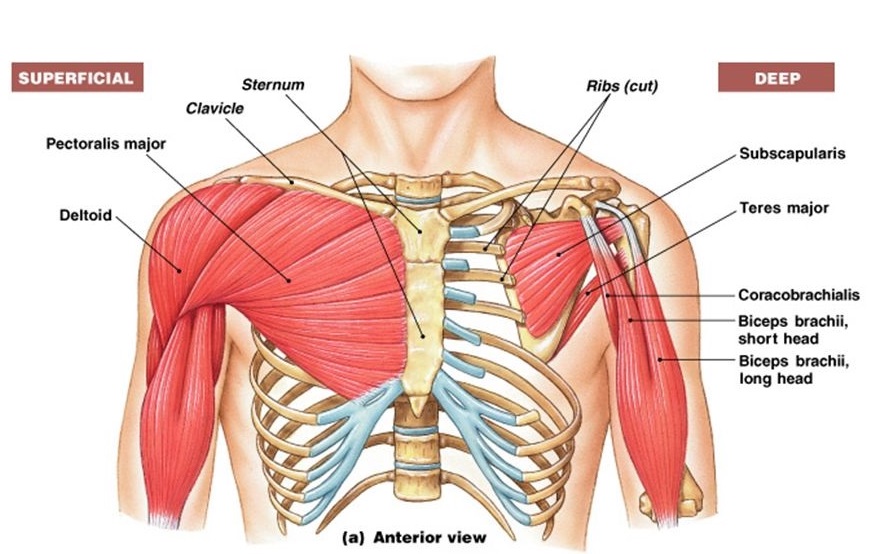
Muscles causing posterior shoulder pain: deltoid, levator scapulae, scallenii, supraspinatus, teres minor, teres major, subscapularis, serratus posterior superior, latissimus dorsi, triceps brachii and trapezius.

Rotator cuff muscles:
Subscapularis, teres minor, supraspinatus and infraspinatus. These are the deep shoulder muscles that are primarily responsible for stabilising the head of the humerus (upper arm bone) and also fine tuning movements of the humerus.
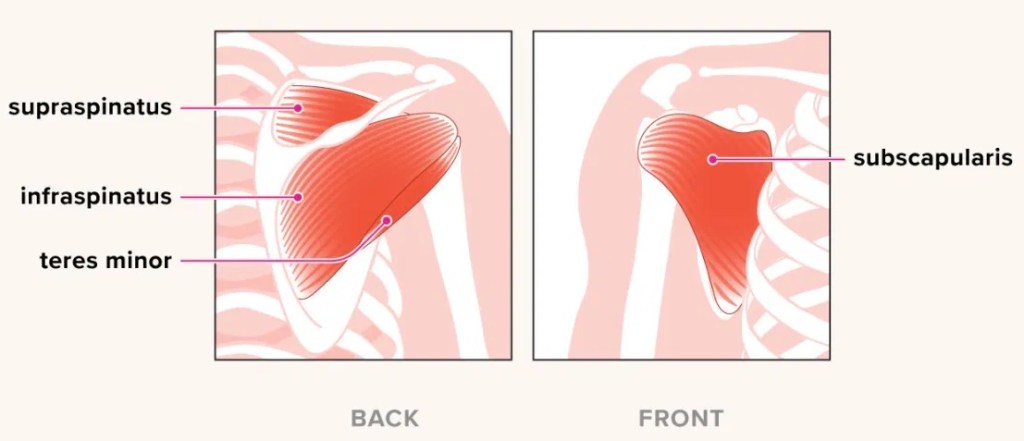
Supraspinatus: located above the spine of the scapula. Pain on outward movement of the arm and dull ache at rest. Pain referred into the side of the shoulder and down the arm.
Infraspinatus: located below the spine of the scapula, usually activated by people who work with their hands in-front of them a lot such as typing, driving. This can cause pain in the shoulder and pain radiating down the arm to the fingers. They have pain sleeping on their shoulder.
Subscapularis: located on the inner surface of the scapula (inside the armpit from the front of the body). Symptoms: pain and restriction on moving of the shoulder outwards and external rotation, sitting with shoulders in a forward position such as typing. Frozen shoulder link. Forgotten muscle of the shoulder. Move the client’s arm away from the body and externally rotate – then compress and feel for the active knots. Pain referral: Top and back of the shoulder, along the batwing part of the upper arm and around the wrist (feel like they have a band around their wrist).
Teres minor: located inferior to infraspinatus (little twin), external rotation for the shoulder. Stabilises the shoulder. Symptoms: posterior shoulder pain close to the arm – pain referring into the lateral posterior shoulder and into the triceps muscles.
Muscles which are not part of the rotator cuff: but are important to good shoulder function – back of the shoulder:
Latissimus Dorsi: extends the arm at the shoulder (e.g. chopping wood action). Symptoms: thoracic back pain below the scapula that is non specific and difficult to reproduce. Activation: gym; doing pull downs and chin ups. Massage: massage into the lumbar/sacral fascia and ribs. Pain referral: lower scapula, back of shoulder, down back of the arm, and inside of the arm, front of the shoulder and lower side of the body (stomach area).
Teres Major: Twin to Latissimus Dorsi muscle. Symptoms: difficulty moving the shoulder away from the body, pain in flexion of shoulder with external rotation. Examine by squeezing front and back sides of the muscle under armpit. (similar to subcapularis), pain: referral to side of the shoulder and possibly down the side of the arm to the forearm.
Deltoid: symptoms: difficulty moving the shoulder away from the body, dull ache at night, activation of knots is often by trauma (contact sports to the gym scenario). Important to do stretches. Knots are normally on the anterior and posterior sides of the deltoid. They have pain into the shoulder and difficulty moving the arm away from the body. Pain referral: Front or back of the shoulder and down the front or back of the upper arm.
Rhomboid Major and Minor: pain caused from arms being in-front of them – typing and gym bunnies. Often overpowered by strong and tight pecs. Symptoms: aching pain at rest, can produce pain when lowering the bar during a bench press. Pain referral: Inside of the shoulder blade and top of the shoulder blade (the normal areas for knots). Stretches: leaning and bending over forward while sitting with bent arms between the knees, pushing the knees outwards (protracting the scapulae).
Levator Scapulae: associated with lateral pelvic tilts and scoliosis. Clients who sleep on their stomach, and turn the head to one side, they activate that side of the LS, restricts the neck movement – check sleeping position and don’t sleep on the stomach. Or sitting at the computer with head slightly tilted to one side – prolonged position, or repetitively turning the head to look at hard copies on one side. Symptoms: stiff and painful neck, with a restricted neck rotation. Pain referral: Side of the lower neck into the top of the shoulder (angle of the shoulder), medial border of the scapula and posterior shoulder. Corrective actions: advise about office ergonomics, posture and sleep positions.
Muscles which are not part of the rotator cuff: but are important to good shoulder function – front of the shoulder:
Pectoralis Minor: Symptoms: entraps the brachial plexus and axillary artery. It can result in thoracic outlet syndrome. This can cause vascular symptoms down the arm to the hand, pins and needles, blood flow problems down to the hand when it gets extremely tight. Pain referral: front of the chest into the anterior shoulder and down the inside of the arm to the hand and fingers. Stretch: in doorway stretch, arms up and bent and holding onto the sides of the doorway and leaning forward. Corrective actions: poor posture, poor sitting position at work etc. and bench presses.
Biceps Brachii: Symptoms: restricted motion, aching pain, tenderness of the biceps tendon. Tendonitis of long head of biceps tendon can develop due to knots in long head of the biceps. There can be anterior shoulder pain. Pain referral: the front of the arm up to the shoulder and to just below the elbow bend. Corrective actions: daily stretching, lifting with hands pronated and not sleeping with elbows bent.
Serratus Anterior: influential on shoulder blade function, attaches to the ribs in the front. Athlete can feel it, with High Intensity Interval Training and stressful running cycles, because of the demand on the respiratory system, this can activate knots in the SA. Pain referral: Below the inside of the arm on the chest wall, into the medial aspect of the arm and the hand, down into the hand. Slight pain in the lower medial border of the scapula. Stretches: in doorway stretch and chair twist.
Shoulder conditions:
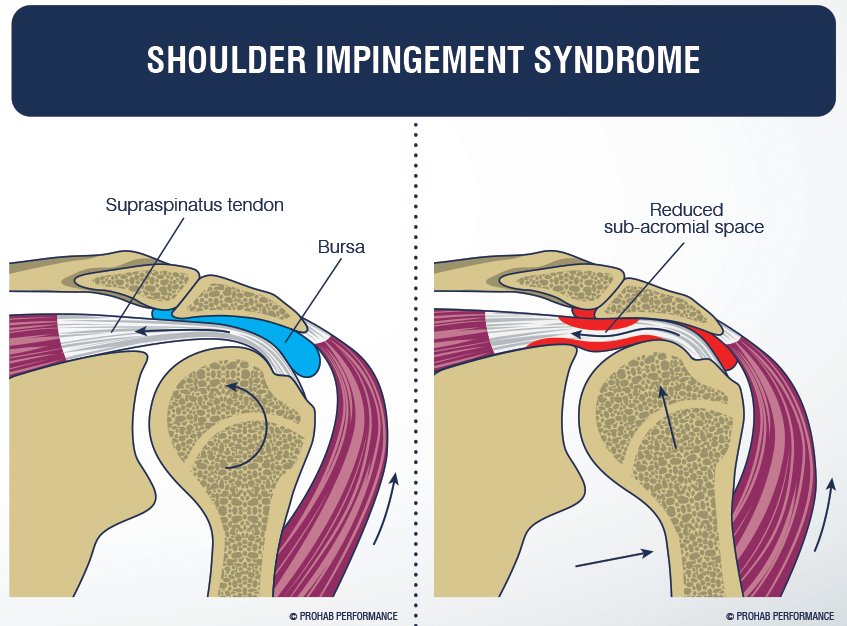
Impingement Syndrome: Primary/static: older patient, narrowing of supraspinatus space, structural factors: e.g. shape of acromium inherited. Secondary/dynamic: sport person, anterior or posterior, postural, rotator cuff weakness, imbalance.
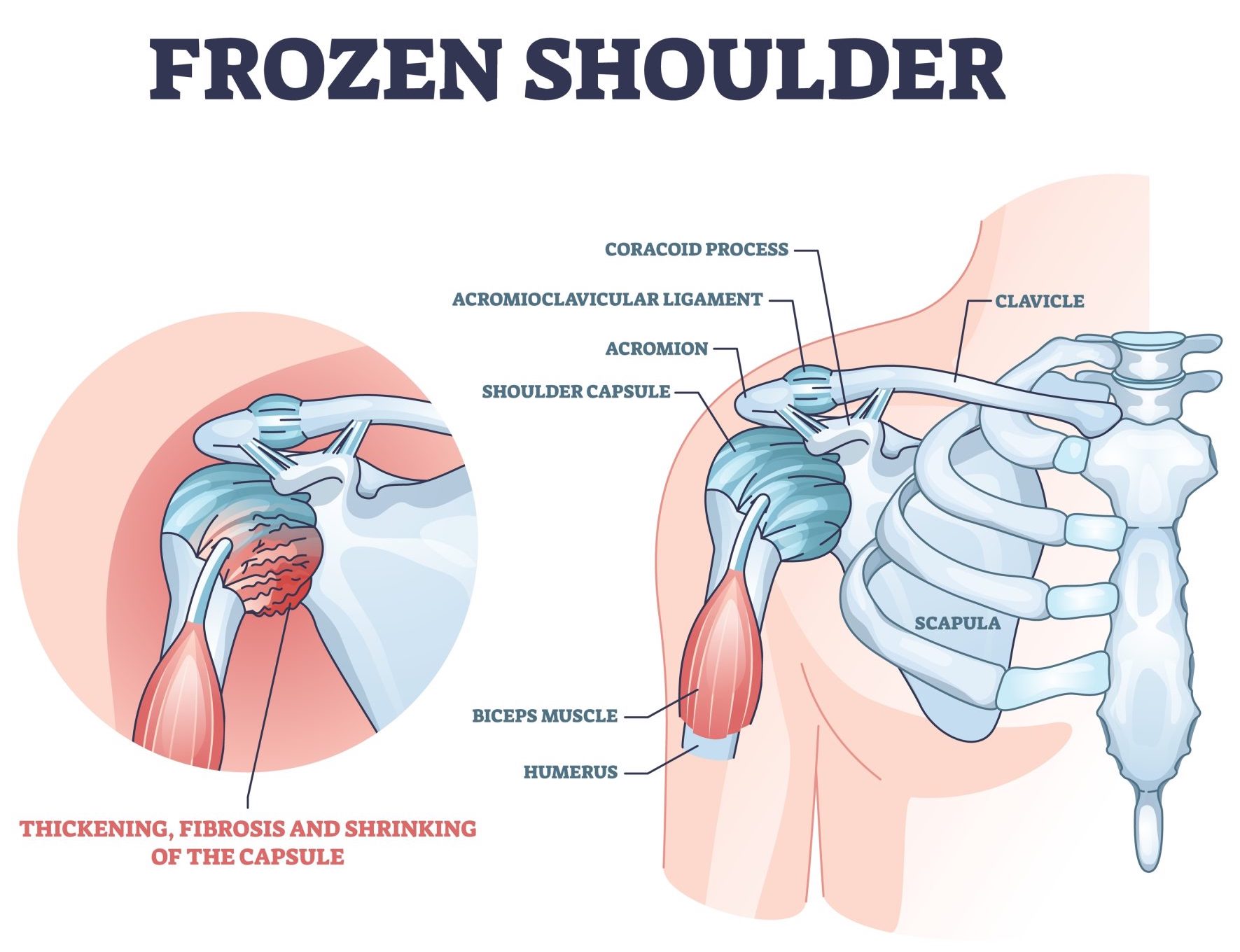
Adhesive Capsulitis / Frozen Shoulder: painful and stiff shoulder, usually between 40-60 years of age, more common in women than men, can be caused by injury, stroke, hypothyroidism, hyperthyroidism, Parkinson’s disease and heart disease.
3 Stages: 1. FREEZING STAGE – stiff and painful, can be worse at night and lasts 6 weeks to 9 months. 2. FROZEN STAGE – reduction in pain, stiffness, 2-6 months. 3. RECOVERY STAGE: gradual return to normal, 6 months-2 years. Soft tissue massage can work very beneficially for this. Work on subscapularis – NB!
For more information, enquiries or to book an appointment, WhatsApp Roxanne on 079 567 5090 or easily book your appointment on Booksy.
 Therapeutic Massage by Roxanne